
The allure of top-of-the-line lenses and gear is undeniable. Scrolling through social media and listening to marketing hype, it’s easy to fall into the trap of believing that more expensive gear is the key to stunning photos. But seasoned photographers know the real magic lies behind the lens: the photographer themself.
Over the course of many discussions with novice photographers as well as masters of photography, it’s become apparent that gear alone is not sufficient to secure your place as a master photographer. Here’s why the photographer plays a far more significant role in the quality of your photos than the camera and lens itself:
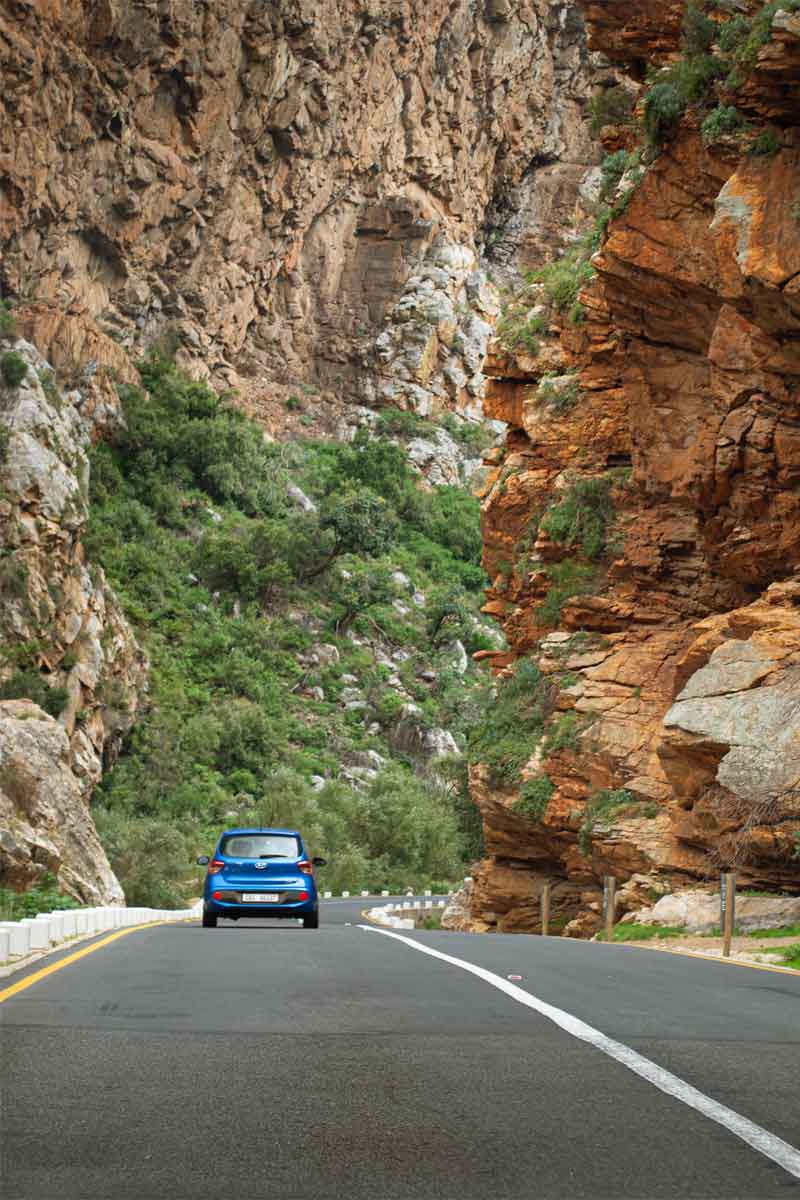
- The Eye for Composition: A great camera can capture a scene in an unbiased and therefore unflattering manner, but a skilled photographer can transform it into a captivating image and awakening something deep within the mind of the viewer. Understanding composition techniques like the rule of thirds, leading lines, and negative fill allows photographers to arrange elements, creating impactful photos.
- The Art of Storytelling: A compelling photograph doesn’t just document a moment; it evokes emotions and tells a story. A photographer’s ability to identify and capture the essence of a scene, the fleeting expression on a face, or the raw energy of a street scene is what elevates a photo from ordinary to extraordinary.
- The Mastery of Light: Light is the sculptor of photography. Photographers who understand how to use natural and artificial light to their advantage can create dramatic shadows, highlight specific details, or bathe a scene in a specific mood.
Mastering light goes beyond technical knowledge; it requires a creative eye and a feel for how light interacts with the subject.

- The Magic of Patience: Capturing that perfect split-second moment, the candid laugh, or the breathtaking sunset requires patience and anticipation. A skilled photographer knows when to wait for the right moment, to adjust settings on the fly, and to capture the essence of a fleeting scene.
- Editing style: The photographers unique blende of textures, colour and digital manipulation of the image help to evoke mood. The same image can be made to invoke joviality or alternatively a dark, sombre tone. This is the culmination of many choices and adjustments that result in the completed work of art.
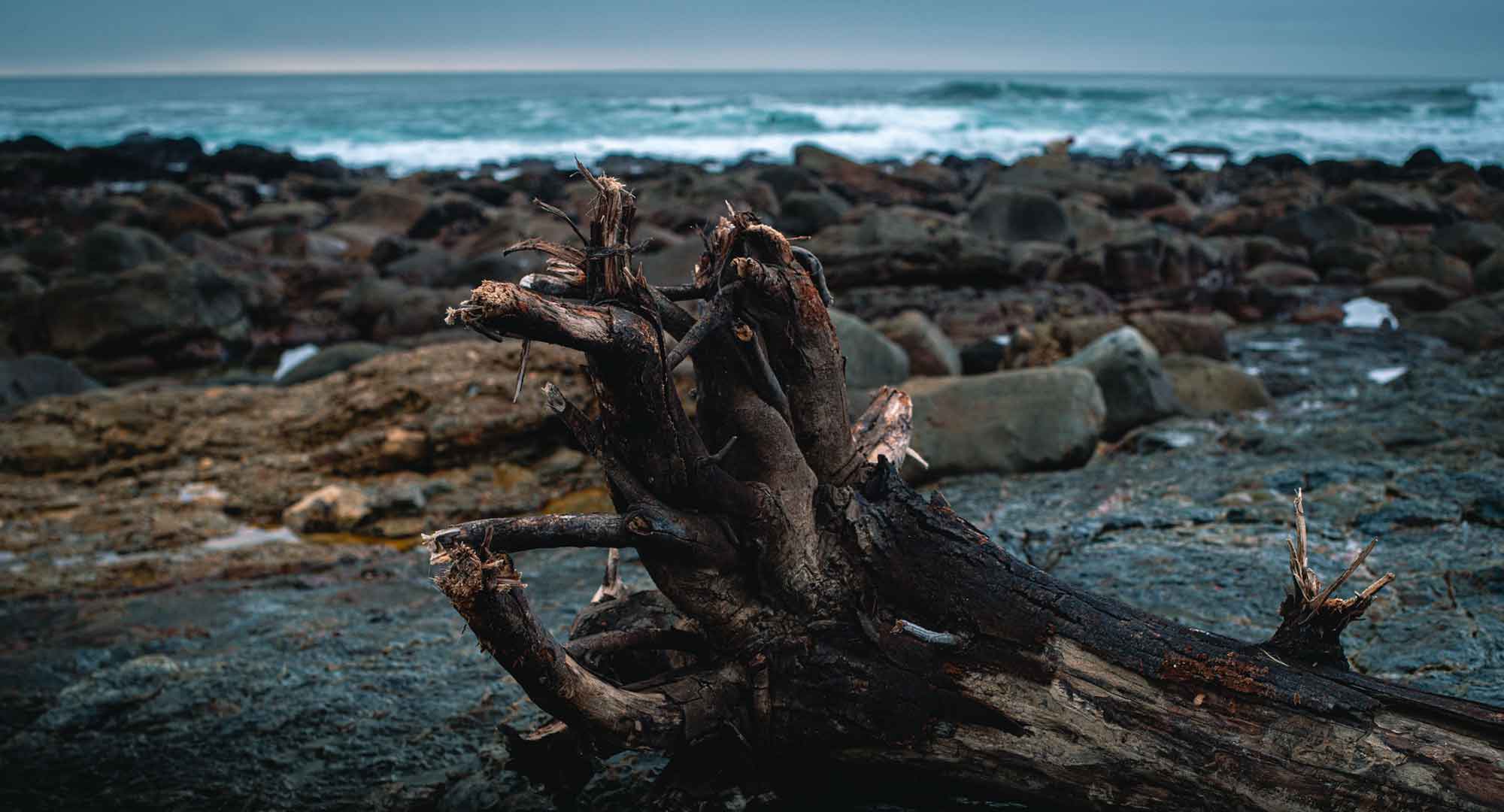
Let’s illustrate this point with an example: Imagine two photographers at a bustling market. Photographer A, armed with the latest high-end DSLR, might capture snapshots of the sights and sounds. Photographer B, equipped with a more modest camera, might observe the interactions between vendors and customers, the play of light and shadow on colourful displays, and capture a single, perfectly composed image that tells a story of the market’s vibrant energy.
The takeaway? Gear is a tool, a powerful one, but ultimately a tool. It’s the photographer’s vision, skill, and creativity that breathe life into an image.
So, don’t get discouraged by the seemingly limitless options in the camera world. Focus on honing your skills, developing your artistic vision, and learning to see the world through a photographer’s lens. The results will speak for themselves.